


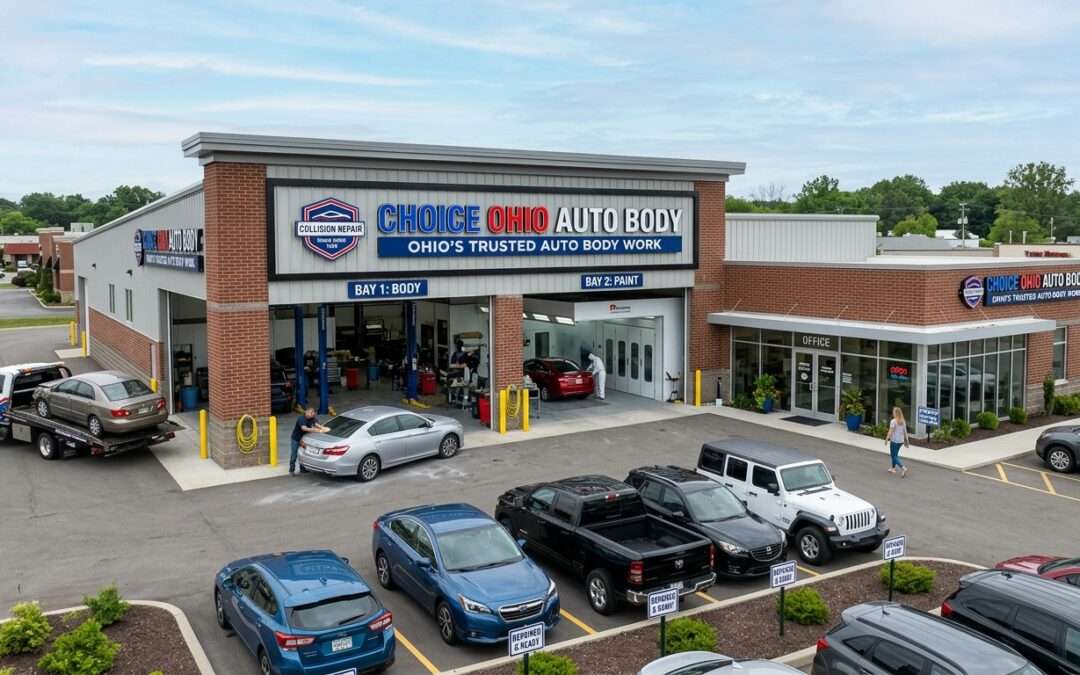
After an Accident, Choose Carefully
Car accidents are stressful—between injury concerns, insurance claims, and finding reliable repair. Choosing the right collision repair shop significantly impacts repair quality, cost, and timeline. A poor choice means safety risks, unnecessary expenses, or prolonged inconvenience. Understanding what makes a quality repair shop helps you protect your vehicle and investment.
Why Professional Collision Repair Matters
Modern vehicles contain sophisticated electronics, precisely calibrated systems, and safety features requiring specialized knowledge to repair properly. Improper repairs compromise safety—misaligned frames, incorrectly replaced airbags, or electrical system issues create hazards you can’t see. Professional collision shops have the expertise, equipment, and processes to repair vehicles correctly.
Red Flags to Avoid
Limited Warranty Coverage
Quality shops stand behind their work with comprehensive warranties—typically 3-5 years on repairs and refinishing. Shops offering minimal warranties or cash-only discounts raise concerns about quality and accountability.
Pressure to Use Aftermarket or Used Parts
Reputable shops offer genuine OEM (original equipment manufacturer) parts or quality certified parts. Pressuring customers toward cheap aftermarket or used parts suggests prioritizing profit over quality. Ask what parts will be used before authorizing repairs.
Lack of Certifications
Industry certifications like ASE (Automotive Service Excellence), I-CAR, or manufacturer certifications indicate technician training and commitment to quality. Shops without certified technicians cannot guarantee proper repairs.
No Written Estimates or Itemized Invoices
Professional shops provide detailed written estimates before work begins. Final invoices itemize all parts, labor, and services. Vague estimates or unclear invoicing prevents you from understanding what you’re paying for.
Reluctance to Explain Work
Quality shops explain the repair process, why specific repairs are necessary, and what to expect. Technicians should answer questions and provide detailed invoices. Reluctance to communicate suggests lack of professionalism or hidden shortcuts.
No Insurance Partnership
Established shops typically work with insurance companies and understand the claims process. They can discuss your insurance coverage and help navigate paperwork. Shops unfamiliar with insurance processes may cause claim complications.
What Quality Shops Offer
Comprehensive Diagnostic Services
Advanced diagnostic equipment identifies all damage—visible and hidden. Modern vehicles contain electrical systems and computers requiring specialized testing. Quality shops invest in proper diagnostic technology.
Proper Frame and Suspension Alignment
Frame damage affects vehicle handling, safety, and longevity. Quality shops use computerized alignment racks to restore proper geometry. Improper alignment causes tire wear, pulling, and handling problems.
Certification and Training
ASE-certified technicians have demonstrated expertise. I-CAR certification ensures knowledge of modern repair techniques. Manufacturer-specific training keeps technicians current on latest models and technologies. Quality shops invest in continuous technician education.
Paint and Refinishing Quality
Professional paint matching and application require skill and equipment. Quality shops use computerized color matching, modern spray booths, and quality materials. Premium refinishing protects against fading and ensures durability.
Rental Vehicle Assistance
While your vehicle is repaired, rental assistance helps you maintain daily life. Quality shops partner with rental companies or provide loaner vehicles—reducing your inconvenience and out-of-pocket costs.
Clear Communication
Quality shops keep you informed throughout the repair process. They’ll call if additional damage is discovered, explain recommendations, and answer questions. Regular communication reduces stress and ensures you understand what’s happening.
The Insurance Claim Process
Report Immediately
Contact your insurance company promptly after an accident. Delays complicate claims. Provide accurate information about the accident—who was involved, where it happened, and any injuries.
Document Everything
Photograph accident damage from multiple angles. Document injuries, weather conditions, and road conditions. Keep receipts for rental vehicles, medical expenses, and related costs. Thorough documentation supports your claim.
Get Multiple Repair Estimates
Obtain estimates from 2-3 reputable shops. Insurance adjusters sometimes underestimate repairs. Multiple estimates help negotiate fair settlement. Quality shops understand this process.
Understand Your Coverage
Collision coverage covers accident damage regardless of fault. Comprehensive covers theft, weather, and animal collisions. Liability covers damage you cause to others. Understanding your policy prevents surprises.
Watch the Repair Process
Stay involved during repairs. Reputable shops welcome inspections and answer questions. If additional damage is discovered, discuss before authorizing extra work. Final inspection confirms all agreed-upon repairs are complete.
Choosing Your Shop
Ask for Recommendations
Friends, family, and coworkers with repair experience provide valuable recommendations. Check online reviews on Google, Yelp, and the Better Business Bureau. Positive reviews from other customers indicate quality service.
Verify Credentials
Ask about technician certifications—ASE, I-CAR, manufacturer-specific. Inquire about shop accreditation with trade organizations. Certifications demonstrate professional commitment.
Request References
Quality shops provide customer references. Contact recent clients about their experience. Ask about repair quality, communication, and overall satisfaction.
Compare Written Estimates
Obtain detailed written estimates from multiple shops. Compare part specifications, labor rates, and timelines. The lowest estimate isn’t always best—quality and warranty matter more than price alone.
Check Warranty Coverage
Discuss warranty terms before authorizing repairs. Quality shops offer 3-5 year warranties. Understand what’s covered—parts, labor, paint, suspension alignment.
Local Expertise Matters
Choosing a local collision repair shop supports your community while building an ongoing relationship. Local shops understand regional climate, road conditions, and vehicle needs. They’re invested in reputation and customer satisfaction—you can find them if problems arise.
Hudson Collision brings years of experience repairing vehicles using quality parts, certified technicians, and modern equipment. When you need professional collision repair, trust a shop that stands behind their work and puts your vehicle’s safety first.
Your Vehicle Deserves Professional Care
After an accident, choosing the right collision repair shop is critical. Quality shops invest in proper training, equipment, and parts—ensuring safe, lasting repairs. Don’t settle for shortcuts. Choose a professional shop committed to excellence and customer satisfaction.