





July and August are when pets in North Canton and Jackson Township are most active outdoors — and also when the risks are highest. Heat-related illness, paw pad burns, toxic plants, and increased parasite exposure are all part of the summer picture. A few precautions can make the difference between an enjoyable summer and an emergency vet visit.
Heat and Humidity: The Hidden Risk
Dogs don’t sweat the way humans do. They regulate body temperature primarily through panting, which becomes far less effective when humidity is high — a common condition in Northeast Ohio summers. On hot, humid days, a dog can develop heat exhaustion or heat stroke even during moderate exercise if the conditions are right.
Signs of heat exhaustion in dogs:
- Excessive, frantic panting
- Thick or ropy saliva
- Bright red gums
- Disorientation or stumbling
- Vomiting
If you notice any of these signs, move your pet to a cool, shaded area immediately, offer water, and apply cool (not cold) water to the paws and underbelly. Heat stroke is a veterinary emergency — call your vet or an emergency clinic right away.
The safest approach: walk dogs in the early morning or after sunset on hot days, always bring water, and watch for signs of overheating before they escalate.
Hot Pavement and Paw Pads
Asphalt surfaces can reach 150°F or higher on a sunny 90-degree day — hot enough to cause painful burns on paw pads in minutes. A simple test: hold the back of your hand against the pavement for seven seconds. If it’s too hot to keep your hand there, it’s too hot for your dog’s paws.
Burned paw pads appear blistered, red, or raw, and the dog will often limp or lick their paws excessively afterward. Grass and shaded surfaces stay significantly cooler and are a better option for walks during peak afternoon heat.
Parasites: Peak Season Is Now
Fleas, ticks, and mosquitoes are all at peak activity in summer, and Northeast Ohio has meaningful populations of all three. Ticks in Stark County can carry Lyme disease, anaplasmosis, and other tick-borne illnesses. Mosquitoes transmit heartworm — a serious and potentially fatal condition that is entirely preventable with monthly preventative medication.
If your pet isn’t current on flea/tick prevention and heartworm prevention, summer is the most important time of year to address it. A single missed month of heartworm prevention during mosquito season is all it takes for exposure to occur.
Water Safety
Some dogs are natural swimmers; others aren’t. But even strong swimmers can fatigue quickly in rivers or lakes with current, and pool chemicals can cause eye and skin irritation. Dogs that spend time in lakes or ponds should be rinsed off afterward — blue-green algae blooms, which are toxic, can appear in Northeast Ohio water bodies during summer and are not always visible.
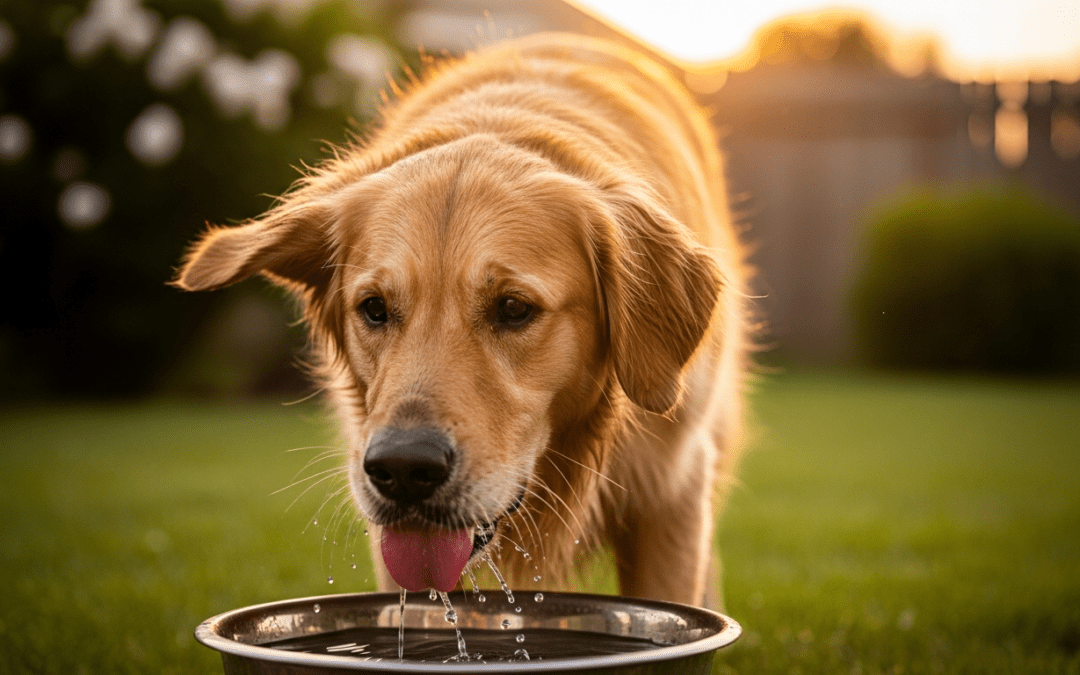
Fresh drinking water should be available at all times outdoors. Dogs dehydrate faster in heat, and dogs that drink from puddles or standing water are at risk for parasites and bacteria.
Scheduling Summer Wellness Exams
Summer is a good time to schedule an annual wellness exam if you haven’t already — it’s also when parasite prevention can be reviewed, heartworm tests updated, and any concerns from increased outdoor activity addressed.
For pets in North Canton, Jackson Township, and the surrounding area, Lake Cable Animal Hospital provides comprehensive wellness care, vaccinations, and emergency services under Dr. Heidi Watters.
Call (330) 499-9370 to schedule a wellness visit this summer.